
Blog · Pillar guide
Thermal Drone Deer Recovery in Indiana: The Complete Guide
Everything an Indiana hunter needs to know before calling a thermal drone pilot: how it works, the law, cost, timing, and what to send.
By Indiana Deer Recovery, reviewed with Cade Paddock. Published .
Coming fall 2027. Field searches aren’t available yet.
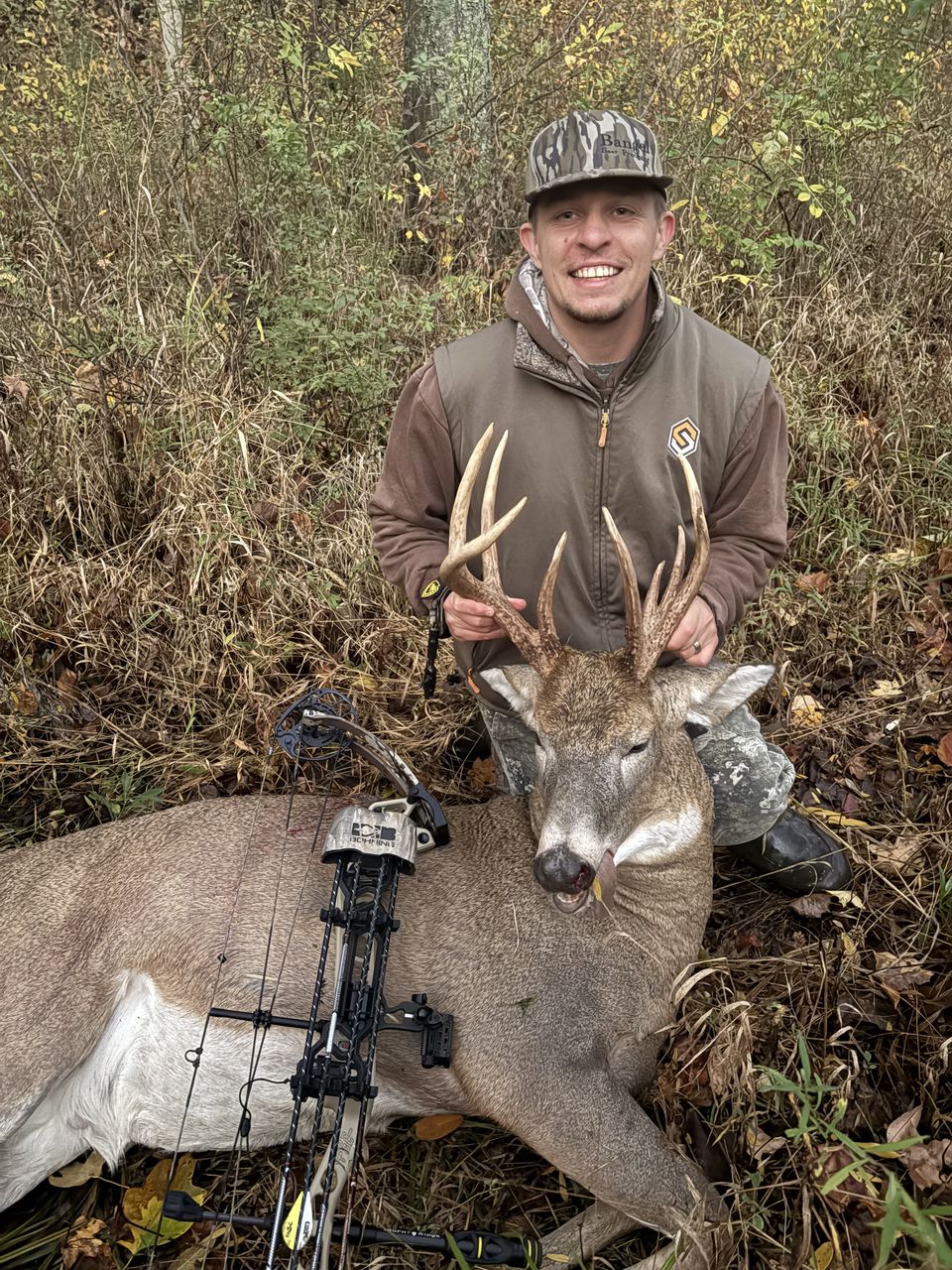
Thermal drone deer recovery is a search for a legally harvested deer using a drone with a heat-sensing camera. It sees body heat instead of blood, covers in minutes what takes hours on foot, and finds deer without bumping them again. In Indiana it is legal for recovery only, never for scouting, and only on ground where the landowner says yes.
How a thermal drone finds a deer
A thermal camera reads heat, not light. From a few hundred feet up, a deer shows as a bright shape against cooler ground. The pilot flies a pattern outward from the last blood and the last sighting, checks every warm spot, and confirms what it is before calling it your deer, because raccoons, coyotes and live deer show up warm too.
Thermal sees through gaps, not through solid cover. Open timber with the leaves down is ideal. Thick cedars, standing corn and heavy canopy can hide a deer completely. A good pilot flies the openings and edges and tells you honestly what the camera can and can’t see.
When it works best
- Soon after the shot. A deer holds heat for a while after it dies, then cools toward the temperature of the ground around it.
- At night or early morning. The ground cools and a deer stands out. Cool, cloudy daylight can work too.
- Cold weather. Warm days and sun on the ground make a deer harder to spot, so early-season searches go best at night.
- Undisturbed ground. The biggest factor in how long a search takes is whether the deer has been bumped.
Rain, heavy fog, snowfall and strong wind ground a drone. Light wind is fine.
What to do right after the shot
Stop walking in
Every step you take into the area can push a wounded deer farther.
Drop three pins
Where you shot from, where you last saw the deer, and your last blood.
Write it down
The time of the shot, how the deer was standing, where you think you hit it, and which way it ran.
Photograph the evidence
Blood and your arrow, if you found them.
Back out quietly and call
The less the area gets disturbed, the better the search goes.
More detail: lost the blood trail? what to do next, and the National Deer Association on reading the hit after the shot.
How to send a pin from onX or Google Maps
In onX, drop a waypoint, tap it and choose Share. In Google Maps, press and hold the spot to drop a pin, then tap Share. Text the link along with your name, the time of the shot, where you shot from and last saw the deer, the hit, photos, your bow or gun, and whether you need a neighbor’s permission.
Is it legal in Indiana?
Yes, for recovery. Indiana Code 14-22-6-16 lets a person operate a drone with infrared abilities to locate and recover a legally taken wild animal. The same law bars using a drone to search for, scout, locate or detect game as an aid to hunting, from 14 days before a season through its last day. It also does not let anyone enter, or recover an animal from, someone else’s property without the landowner’s permission. Read the statute and our summary of Indiana drone deer recovery laws.
That’s why a recovery stops the moment a deer is found alive. The pilot backs the drone out, tells you it’s alive, and doesn’t follow it or share its location. From there, your next step is up to you under normal hunting rules.
When the deer crosses the line
Get the neighbor’s permission first, every time, ideally by text so you have it in writing. Without it, nobody goes onto their land, in the air or on foot. The Indiana DNR’s own hunting etiquette guidance says the same: get permission before a wounded deer could end up on property you can’t hunt.
What it costs
With Indiana Deer Recovery, a deer search is $350 flat. That covers travel within about an hour and a half of Zionsville and Carmel and up to 2 hours of searching on site, with no mileage and no finder’s fee. Night calls and weekends are the same price. The fee pays for time, travel and the flight, not a guaranteed find, and there’s no extra fee if the deer is found. Searches start in fall 2027. Full pricing guide.
Drone or tracking dog?
A drone covers ground fast and works great in fields, open timber and at night. A leashed tracking dog can be better in very thick cover or on a long, cold trail, because it follows scent where a camera has no line of sight. If a dog is the better fit for your situation, a good pilot will say so.
What you get when your deer is found
A GPS pin to its exact spot, guidance right to it by phone, and thermal footage or screenshots if you want them. Help getting it out depends on the night and how many calls are waiting.
Or dial or text (317) 601-5169